Cell Culture and
Life Science Research
Supporting cell research and preventing contamination
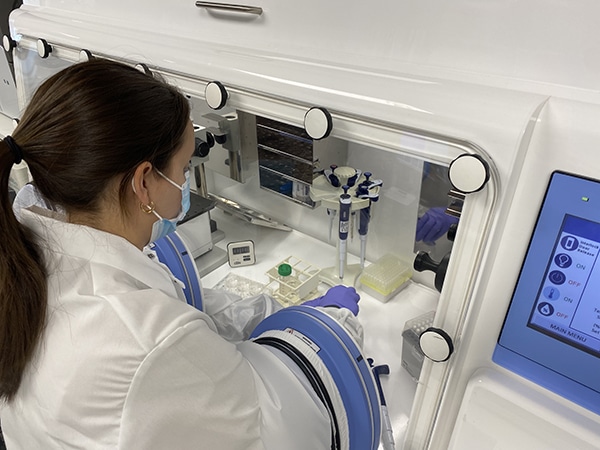
Cell biology research encompasses the study of the structure, function, and behavior of cells and the organelles they contain. This branch of biology includes research on both prokaryotic and eukaryotic cells, and contains subfields such as cell metabolism, cell communication, cell cycles, biochemistry, and cell composition. Study in cell biology intersects frequently with other specializations of chemistry and biology, including biochemistry, genetics, and molecular biology. Investigations into cell function are performed using many cell culture, microscopy and cell fractionation techniques. Knowing the components of cells and how they work is fundamental in biomedical fields such research on cancer and other diseases.
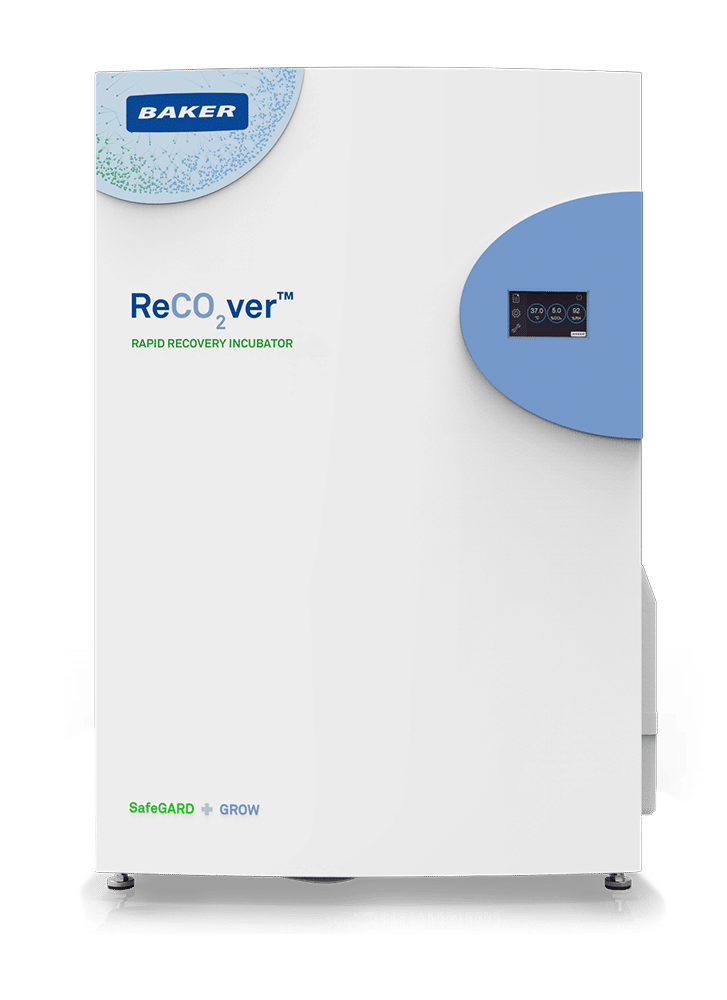
Cell culture is the process by which cells are grown under controlled conditions, generally outside their natural environment. After the cells of interest have been isolated from living tissue, they can subsequently be maintained under carefully controlled conditions. Some of the conditions that are commonly maintained include temperature, relative humidity, and carbon dioxide.
As the understanding of cell function has increased and new tools have been created to enhance the success of cell culture research, other environmental conditions have garnered greater consideration, such as oxygen and pressure. The full consideration of the normal cell environment must be considered for optimal cell culture results.
Understanding the benefits on creating ideal growth environments are creating exciting innovations in how cell culture work is performed. Culture workflows are attempting to create stable and continuous conditions. This creates less stress on cells and optimizes their growth potential. Incorporating these technologies and techniques can allow for the creation of ore physiologically relevant environments and allow researchers to culture cells as nature intended.
The ideal growth conditions for cells are also perfect for the development of contamination. Workflows must incorporate integrated contamination protection into their processes. Selecting tools to mitigate the risk of contagions, both from the lab surroundings and across cell lines, is critical to the integrity of cell lines. If contamination does occur, the design and materials of equipment can allow for the quick and efficient sterilization of the environment and return to optimal growth conditions.